
From Mallow Marshes to Marshmallow: A Sweet History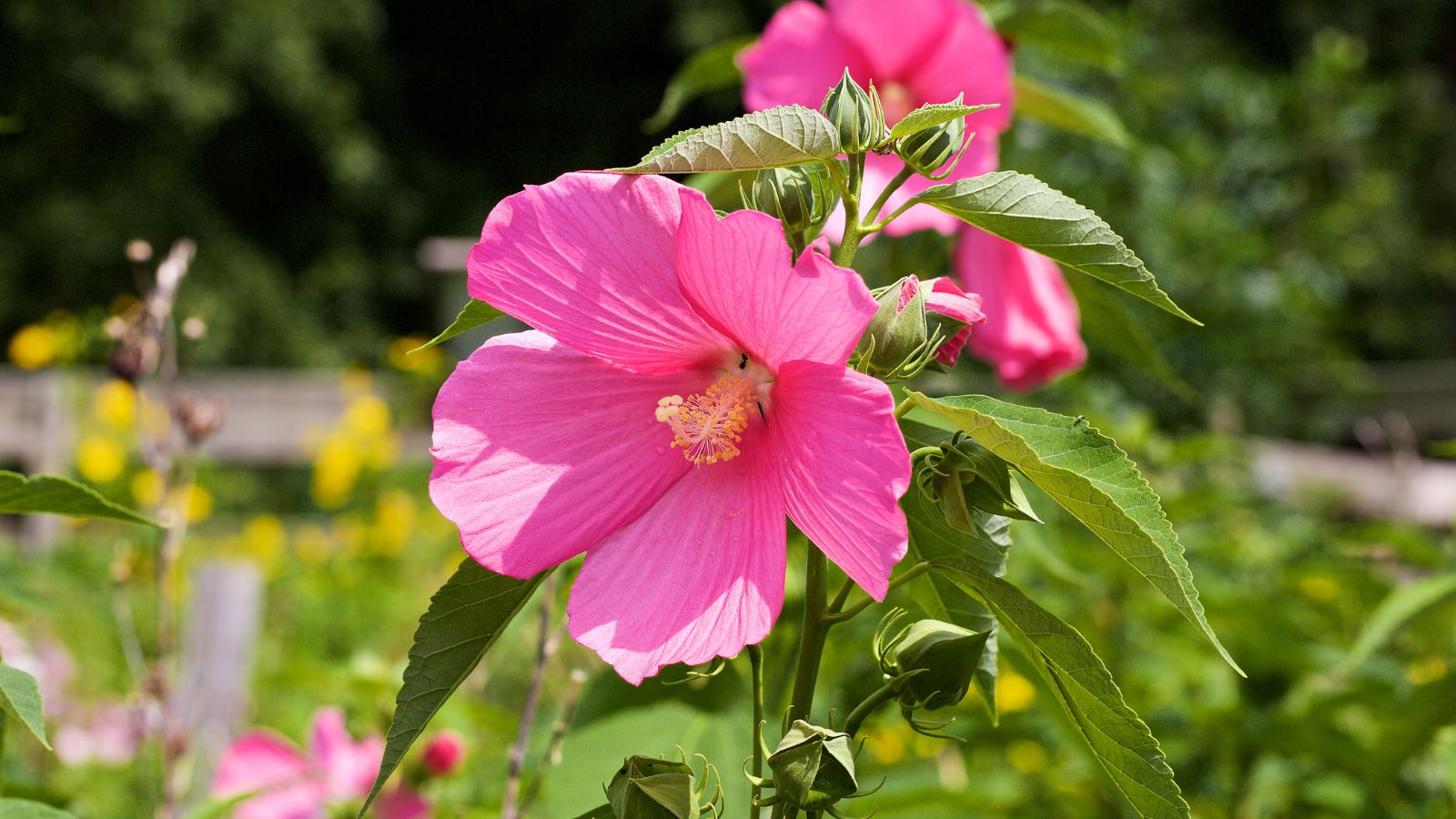
By Rachel Lasso
If you walk along our All Peoples’ Trail starting in late July, you will notice flowers blooming in the marsh, in various shades of pink and white. These beautiful blooms mark the middle of summer, and will last until early September. After they are done blooming, the seeds left behind will provide food for the birds in the upcoming colder months. The plant is Swamp Rosemallow (Hibiscus moscheutos). Native to the Eastern United States and found in wetlands and marshes, this woody perennial is a prime example of the beauty of native plants, and the amazing pollinators they attract. But would you believe that the existence of this plant has brought to life many popular snacks enjoyed by people all over the world?
Imagine it’s a cold winters day, and after spending a day outside, you enjoy a cup of of hot chocolate. Or, during the summer you are at a bonfire and decide to make S’mores. What about all the Rice Krispies Treats you’ve enjoyed that remind you of childhood? Three experiences we probably all have experienced, and all brought to life by the existence of marshmallows! And none of those experiences would exist if not for the existence of Swamp Rosemallow.
As I was writing this, I went down the rabbit hole of the terminology behind ‘marshmallow’. What do the words mean and how has a treat that has existed for thousands of years, still remain to this day? Mallow plants are a part of the Malvaceae family. The root word ‘malva’ means mallow. Mallow originated from an ancient Greek word to mean ‘smooth’. The genus Hibiscus came from the greek word “hibiskos” meaning marshmallow. The hibiscus genus grows in wetlands and marshes. So, in its exact translation, marshmallow means ‘mallow of the marsh.’ Even though the marshmallow we know today is different than when it first came out, it still keeps the same name.
When marshmallows first came into existence, it wasn’t in the dessert form we know. It was used as medicine, dating back 4000 years, with the first recipe believed to be from Egypt in 2000 BCE. They would crush the roots, then boil them in water to create a cough syrup that would soothe sore throats. This medicine evolved throughout time from syrup, to lozenges. Which led me to the question if that meant marshmallow lozenges were the first form of cough drops to exist? But the answer is… no! A completely different category, because the cough medicines we know today are all menthol-based, but I digress.
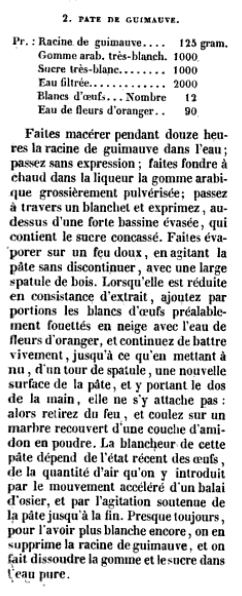
In the 1800s, a French confecturie concocted a recipe for a puffy marshmallow dessert. The recipe calls for the stem and root of the marshmallow plant, egg whites, sugar, and whisking until a smooth, fluffy meringue-like dessert forms. Pâte de guimauve, or marshmallow paste. (Let’s nerd out EVEN MORE, because the word “mauve” originated from mallow, because of the mauve shades in the plant family). The process to make these lozenges was time consuming. It required 12 hours to soak the marshmallow roots to make an extract, 6 hours to dry, and then however long it would take to whip all the ingredients together by hand (because the 1700s of it all, no electric mixers existed yet!)
Original Pâte de guimauve recipe
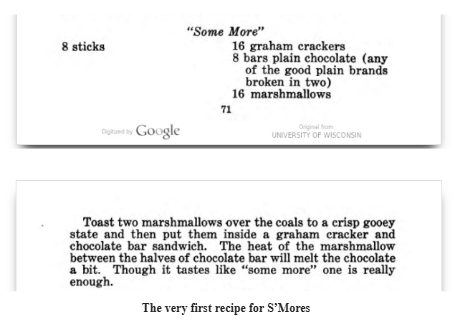
This treat became very popular and French confectioners were struggling to keep up with the demand. Somewhere in the revolution of marshmallows, confectioners began adding cornstarch to help the marshmallows maintain their shape and not stick to pans. Eventually, gelatin replaced the marshmallow syrup extracted from the mallow plant, which allowed for the dessert to keep its puffy, whipped shape, without taking hours to make as the original recipe took. The process of making and selling marshmallows continued to evolve until the 20th century where the process and taste of marshmallows remains to this day. Marshmallows continue to be revolutionzied, for example, to not include gelatin to making them vegan. More recipes evolved from using marshmallows, like S’mores! Created by Girl Scouts, the first recipe called for two graham crackers, a piece of chocolate, and two toasted marshmallow. Because once you have one, you’re going to want ‘Some More’ (S’Mores! In the recipe they tell us one is enough… but one is never enough).
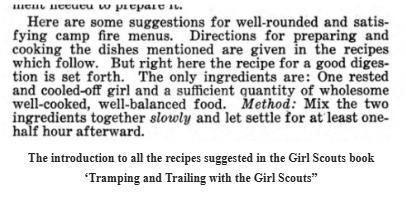
The very first recipe for S’Mores
Even though marshmallows no longer include marshmallow plants, we cannot forget its roots (another pun because the extract from the marshmallow roots? OK I’m done!) So, next time you are walking along our marsh or any other wetland area and see some Swamp Rosemallow, stop and think how those beautiful flowers are the reason for one of the sweetest treats.
Works Cited
- Baumé, A. (1795). Eléments de pharmacie théorique et pratique (7th ed.). C.N. Guillon-d’Assas. August 12, 2025.
- Chicago Botanic Garden. (n.d.). Hibiscus. Plant Profiles. https://www.chicagobotanic.org/plantinfo/plant_profiles/hibiscus#:~:text=The%20name%20Hibiscus%20came%20from,time%20to%20make%20marshmallow%20confections.
- Henry, N. (1847). Pharmacopée raisonnée, ou traité de pharmacie pratique et théorique (3rd ed.). The British Library. August 12, 2025.
- NCA. (2020, June 30). Marshmallows. NCA. https://candyusa.com/marshmallows/
- Nichols, H. (2020, February 12). Stay puffed my friends part 2: France and Pâte de Guimauve. Adventures in Taste and Time. https://www.adventuresintasteandtime.com/blog/stay-puffed-my-friends-part-2-france-and-pt-de-guimuave
- Rumm, A. (2023, November 15). A snack by any other name: A brief history of marshmallows. Division of Historical and Cultural Affairs – State of Delaware. https://history.delaware.gov/2023/11/15/a-snack-by-any-other-name-a-brief-history-of-marshmallows/
- Tramping and Trailing with the Girl Scouts. Girl Scouts Inc., 1927.
